
Spring Hill Overview
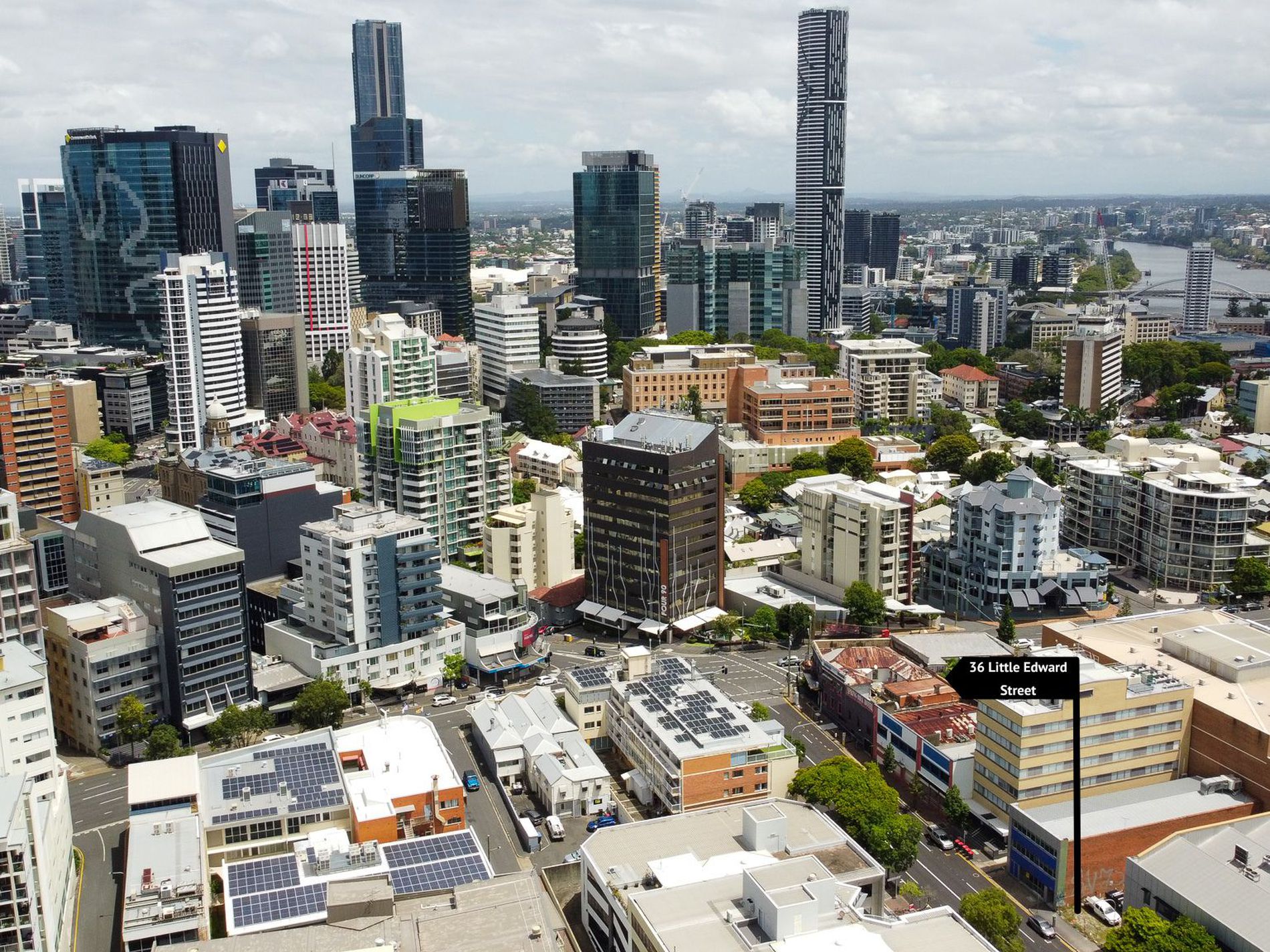
Spring Hill is a historic inner-northern suburb of Brisbane, located just 1 kilometre from the Central Business District (CBD). In many ways, it feels like an extension of the CBD itself, yet it offers its own unique charm. Home to about 8,940 residents as of June 2024, Spring Hill has experienced approximately 27% population growth over the past five years, with an average annual growth rate of 5.0%.
The suburb features a predominantly young adult population, with over 70% of residents aged between 15 and 44 years, many of whom are professionals or students. This youthful, professional community contributes to a lively weekday atmosphere and supports a diverse range of local businesses. (Queensland Government Statistician’s Office, 2025, p. 6)
Spring Hill: Local Attractions, Amenities and Lifestyle
Spring Hill’s lifestyle appeal is a major drawcard. The area is rich in amenities, offering an array of cafés, boutique eateries, hotels, and fitness centres, all within walking distance of both residences and workplaces.
Its heritage character is showcased through landmarks such as the Windmill Tower on Wickham Terrace, built in 1828, and the Spring Hill Baths, constructed in 1886 – Brisbane’s oldest surviving public baths. These historical structures are complemented by a steady stream of modern apartment developments and refurbished commercial buildings, contributing to a blend of past and present within the urban landscape.
Despite being in the inner city, green space is abundant. Spring Hill contains seven parks, covering 19.1% of its total land area, offering pocket parks, play spaces, and local retreats. It borders Roma Street Parkland on the western edge, one of Brisbane’s flagship green spaces with expansive gardens and event lawns. The nearby Victoria Park redevelopment in neighbouring Herston is also set to deliver additional recreational opportunities.
Spring Hill is also a key medical and educational precinct. It hosts two major hospitals – St Andrew’s War Memorial Hospital and Brisbane Private Hospital – as well as specialist clinics, especially along Wickham Terrace. The presence of Brisbane Grammar School, Brisbane Girls Grammar School, and the Queensland University of Technology (QUT) Kelvin Grove campus enhances local activity and appeal.
Transport connectivity is a significant advantage. Spring Hill is within walking distance of Central Station and Brisbane’s CBD. The free Spring Hill Loop bus (Route 30) provides a dedicated connection to city streets. Major roads like Wickham Terrace, Leichhardt Street, and Gregory Terrace link to the broader metropolitan network. Pedestrians can easily reach Queen Street Mall or Fortitude Valley within 10–15 minutes.
Pros and Cons for Business and Investment
Every suburb has its advantages and challenges. Spring Hill’s pros for businesses and investors are noteworthy:
- Prime Location at Lower Cost: Spring Hill’s proximity to the CBD means companies can enjoy a prestigious address and convenient access to clients, without paying CBD-level rents. Parts of Spring Hill are effectively an extension of the CBD, yet commercial space here often comes at a discount – a clear cost advantage for tenants and a selling point for landlords.
- Established Commercial Hub: The suburb has a long history as a professional services enclave – many accountants, medical specialists, solicitors and tech firms call Spring Hill home. This creates a network effect that supports neighbouring businesses.
- Amenities and Transport for Staff: The area’s cafés, gyms, childcare centres, and access to Central Station and major bus routes make Spring Hill an appealing workplace. Happy staff equate to stable tenants, which benefits investors.
- Diverse Property Types: Spring Hill’s properties range from modern office towers and heritage buildings to small office suites. This allows investors to align property types with their strategies – from boutique hotels to medical chambers.
- Medical and Educational Anchors: Being adjacent to major hospitals and schools supports ongoing demand for medical suites, student housing, and education-linked commercial use.
However, there are also considerations or cons to weigh:
- Older Building Stock: Many commercial buildings are from the 1960s–1980s or are heritage structures. These may lack large floor plates or modern features, requiring capital works to meet tenant expectations. However, this can offer value-adding opportunities through refurbishment.
- Higher Vacancy in Secondary Stock: Secondary office buildings in Spring Hill have historically had higher vacancies compared to the CBD. Tenants often prefer new or premium spaces in places like Fortitude Valley.
- Traffic and Parking Constraints: Congestion and limited on-street parking (often metered) can be challenging. Some streets are one-way, complicating deliveries or access. New public transport projects (Brisbane Metro and Cross River Rail) are expected to improve accessibility.
- Competition from Fringe Precincts: Spring Hill competes with Fortitude Valley, Newstead, and South Brisbane, which offer trendy new developments. Investors must highlight Spring Hill’s distinct advantages, such as proximity to hospitals and quieter surroundings.
- Development Limitations: The suburb’s hilly topography and heritage overlays on certain sites can pose challenges for new developments or major redevelopments. Large-scale projects are less common here than in flat, former industrial areas like Newstead. While this means the character is preserved and oversupply is less of a risk, it can also limit the pace of modernisation in the commercial stock. Investors looking to Spring Hill for new builds may need patience and savvy navigation of planning regulations.
In summary, Spring Hill offers far more pros than cons for astute investors: its central location, built-in demand drivers, and improving market metrics make it a solid bet, provided one is mindful of building quality and competition.
Recent Sales and CoreLogic Insights
Digging into the latest CoreLogic data on Spring Hill (provided via the recent property transactions CSV) offers some concrete insights into what’s happening on the ground. In the past 18 months, Spring Hill has seen dozens of commercial property sales, indicating a healthy level of turnover and investor interest. 2024 alone recorded 40+ sales, and the first half of 2025 saw about 25 sales, ranging from small office suites to substantial buildings. This transactional activity signals confidence in the suburb – properties are changing hands and presumably being repositioned or leased up by new owners, rather than sitting stagnant.
A few trends stand out from the sales data:
-
Strata Office Sales Dominating: The bulk of transactions are strata-titled offices (or small retail) in the 100–300 m² range. Prices for these have commonly been in the mid-six figures. For example, a unit at 2/220 Boundary St (143 m² office) sold for $725,000 in May 2025, and another at 494 Boundary St (193 m²) sold for just under $2.0 million around the same time. Many older office buildings in Spring Hill are subdivided into units, and these provide affordable entry points for investors or owner-occupiers (some local businesses prefer to buy their own office). The median sale price across all Spring Hill commercial sales in 2024 was roughly $0.4–0.5 million, which aligns with the size and nature of these strata deals. This underlines Spring Hill’s reputation as a strata office market, offering plenty of options for small investors.
-
High-Value Deals Are Occurring: Alongside the numerous small sales, Spring Hill also sees occasional large asset transactions. These are noteworthy as they often involve interstate or institutional buyers. In August 2024, a significant office complex at 433 Boundary Street transacted for about $41.5 million . This is a sign of confidence from a major investor betting on Spring Hill’s prospects. Such a purchase demonstrates that Spring Hill isn’t just a playground for small players; big funds are willing to invest when the asset is right. Similarly, the record-setting sale of the Brisbane Private Hospital on Wickham Terrace for $164 million in 2019 to a healthcare real estate trust. This highlights how assets in strategic sectors (like medical facilities) can command huge prices here. For current landlords, these big sales help underpin valuations and comparables for Spring Hill property, and for prospective investors they illustrate the potential for capital growth if one holds and enhances a quality asset in the suburb.
- Yields and Investor Profiles: Many of the recent buyers in Spring Hill appear to be private investors, syndicates, or owner-occupiers, rather than large institutions (the hospital sale being an outlier). This is typical for secondary commercial markets. These buyers are often seeking higher yields or a Brisbane base for their business. The sales evidence suggests yields in the 8–10% range on these transactions (as also supported by the market data earlier). For instance, that 143 m² office sold at $725k was likely leased at around $60k net per annum, implying roughly an 8% yield – attractive in the current climate. Investors from interstate have also been active; in one deal, a property on Boundary Street was sold to private investors with interests in PNG, drawn by the long-term tenancy and Spring Hill’s future uplift potential
In essence, the CoreLogic transaction data paints Spring Hill as a dynamic market: plenty of smaller deals providing liquidity and price evidence, punctuated by the occasional big purchase that grabs headlines. For a landlord, this means there’s a clear exit strategy when you decide to sell (as there are active buyers at various price points). For an investor or business looking to buy, it means opportunities abound – from bite-sized offices to entire buildings – depending on your capital and objectives.
(Data source: CoreLogic, Spring Hill commercial sales CSV, Jan 2022–Jun 2025.)
Spring Hill Current Sales Opportunity
Spring Hill Current Leasing Opportunity
Reference
Queensland Government Statistician’s Office. (2025). Brisbane community profiles: Resident profile – Spring Hill SA2 (ASGS 2021). Queensland Treasury. https://www.qgso.qld.gov.au/statistics/theme/people/community-profiles/brisbane
CoreLogic. (2025). Spring Hill, Brisbane – commercial property sales (January–July 2025) [Data set]. CoreLogic Australia.