Table of Contents:[hide]
What is a Make-Good Clause?
A “make good” clause is a standard part of most commercial leases. It sets out what condition the tenant must leave the property in at the end of the lease.
In simple terms, it usually means returning the space to its original state—minus normal wear and tear. The goal is to avoid disputes and make turnover smoother for both landlord and tenant.
Understanding this clause clearly is key to avoiding unnecessary conflict when your lease ends.
Types of Make-Good Obligations
1. Basic Make Good
Just remove your belongings and leave the place clean and tidy.
2. Extended Make Good
This includes a deep clean, repainting, and carpet cleaning to restore the space more closely to its original condition.
3. Full Make Good
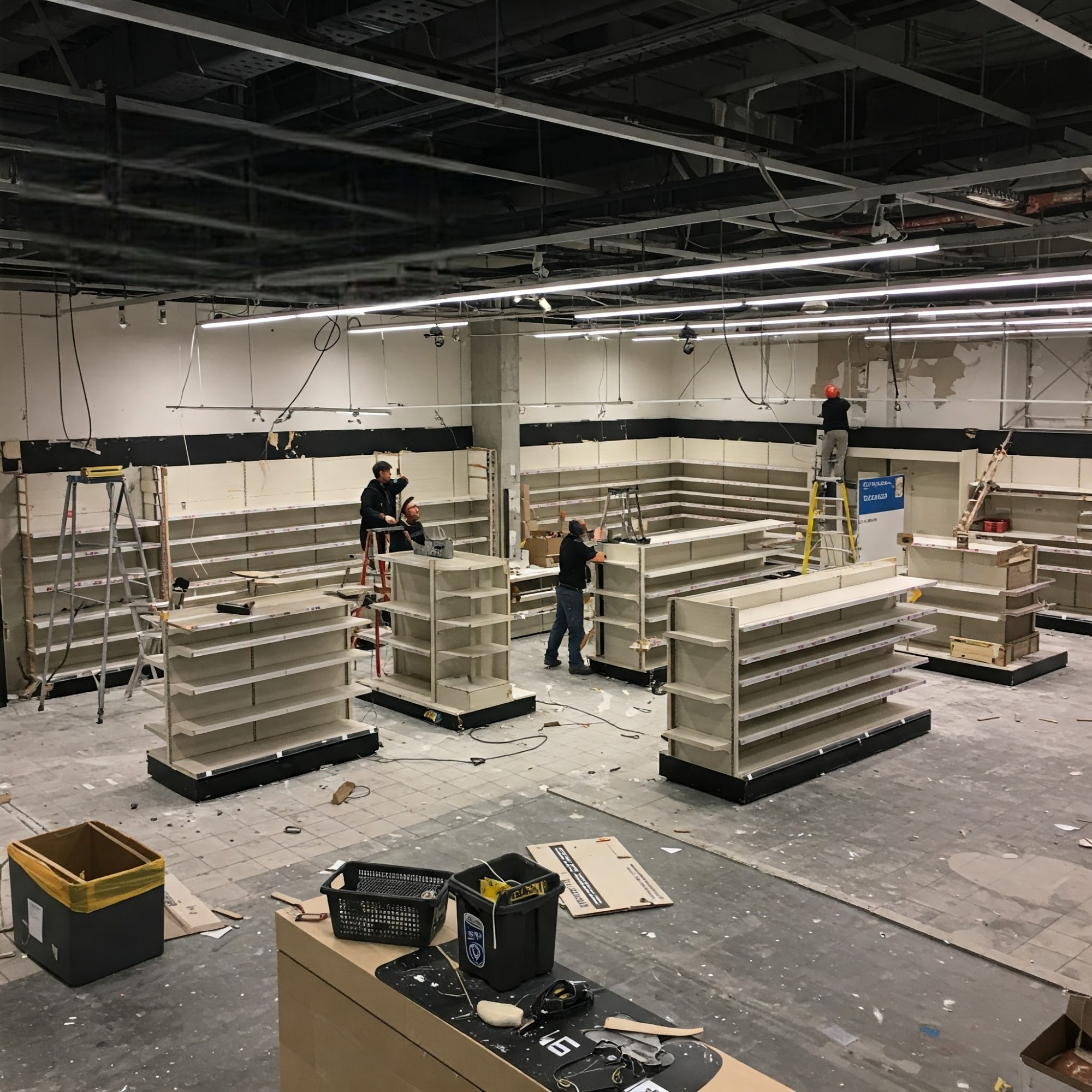
You’ll be expected to strip out all fixtures, furniture, and finishes—restoring the space to a “warm shell” or original base build. This often includes ceiling tiles, lighting, and mechanical services.
Full make-good costs vary but are typically in the range of $200–$300 per square metre (source). Managing this process yourself can save money but comes with risk, especially if settling in cash with the landlord.
Negotiating the Clause
-
Always review the make good clause before signing a lease.
-
If anything is unclear, ask for clarification or negotiate adjustments.
-
Landlords should ensure the clause is specific, fair, and enforceable.
-
A well-drafted clause protects both parties and minimises future issues.
Understanding Your Obligations
Your make good responsibilities usually involve returning the property to its original state when your lease ends. This can include:
-
Repairing damage
-
Removing fit-outs
-
Cleaning or repainting
It’s different from a “redecoration clause”, which usually relates to regular upkeep during the lease—like repainting or replacing worn carpet.
Managing Make Good Responsibly
-
Make sure your office fit-out aligns with your make good obligations.
-
Do a condition report when you move in to document existing damage.
-
Fix any damage as it happens to avoid a bigger bill later.
-
Keeping the property well-maintained throughout your lease will make the end-of-lease process smoother.
Alternatives to Make Good
In some cases, tenants and landlords agree to a cash settlement instead of physical reinstatement. This can work well—especially if:
-
The landlord wants to refit the space anyway
-
You want a faster exit
-
Both parties want certainty on costs
That said, negotiate the amount carefully, and get legal advice before accepting or proposing a cash alternative.
Are These Clauses Enforceable?
Yes—but with limits.
-
If a tenant doesn’t meet make good obligations, the landlord may claim damages based on how the property’s value was affected.
-
If repairs aren’t done, landlords may also seek to recover the cost of the work directly.
However, what’s enforceable depends on the specific wording of the lease. That’s why clarity from day one is important.
Lease Transfers & Make Good
If you’re taking over someone else’s lease (assignment of lease), your make good duties often relate to the condition of the space when the original lease was signed—not when you moved in.
That’s why it’s essential to:
-
Get photos or records of the property’s original state
-
Understand what work might be required when your lease ends
This helps avoid surprises later.
Handling Make-Good Disputes
If issues arise at the end of your lease, here’s how to approach them:
-
Review the lease clause to understand what’s actually required.
-
Talk to the other party and try to reach agreement.
-
Seek legal advice—especially if the lease terms are complex.
-
Consider mediation through the Queensland Small Business Commissioner if needed (for claims up to $750,000).
-
If unresolved, you can escalate the matter to QCAT for retail lease disputes.
Final Word
Make good clauses can feel complex, but they are a normal part of commercial leasing. The key is to understand your obligations up front, manage the property responsibly, and be proactive when your lease is ending.
Tenants should always review this clause carefully before signing, and landlords should make sure it’s clear and fair. When managed well, the make good process protects both parties—and avoids stress when it’s time to move on.
If you own property in Brisbane, the Gold Coast or Sunshine Coast and need expert support with tenant management and lease compliance, reach out to the team at McGees Property—we are here to take care of it for you.
Get in touch with Brad Sheppard for expert support in leasing, managing, and protecting your commercial asset. With the experience to navigate make good provisions and ensure compliance, Brad can take the hassle off your hands.
For a complete list of weekly commercial transactions in Queensland, visit McGees Wrap Up | McGees Property Brisbane
Disclaimer: The information provided in this blog is for general informational purposes only and does not constitute legal, financial, or professional advice. While we strive for accuracy, we make no guarantees regarding the completeness or timeliness of the content. Always seek independent advice before making any financial or real estate decisions. We are not liable for any loss or damages arising from your reliance on the information provided.
Liability Limited by a Scheme approved under Professional Standards Legislation