Table of Contents:[hide]
Understanding Lease Structures: Gross, Net, and Semi-Gross Leases Explained
Leasing commercial property isn’t just about securing a tenant—it’s about choosing the right lease structure to suit the asset, the landlord’s objectives, and the tenant’s needs. One of the key factors in any lease is how outgoings—the running costs of the property—are handled.
Outgoings typically include things like council rates, insurance, repairs and maintenance, property management fees, and cleaning of common areas. The way these expenses are recovered defines the lease structure and can significantly impact both cash flow and tenant satisfaction.
What Are Outgoings in Commercial Leases?
Outgoings (or operating expenses) are the day-to-day costs of owning and managing a commercial property. These may include:
- Council rates
- Building insurance
- Routine repairs and maintenance
- Property management fees
- Cleaning and upkeep of shared spaces
Understanding how these costs are passed on to the tenant—or absorbed by the landlord—is essential to setting up a lease that works for both parties.
The Three Main Types of Commercial Leases
1. Net Lease
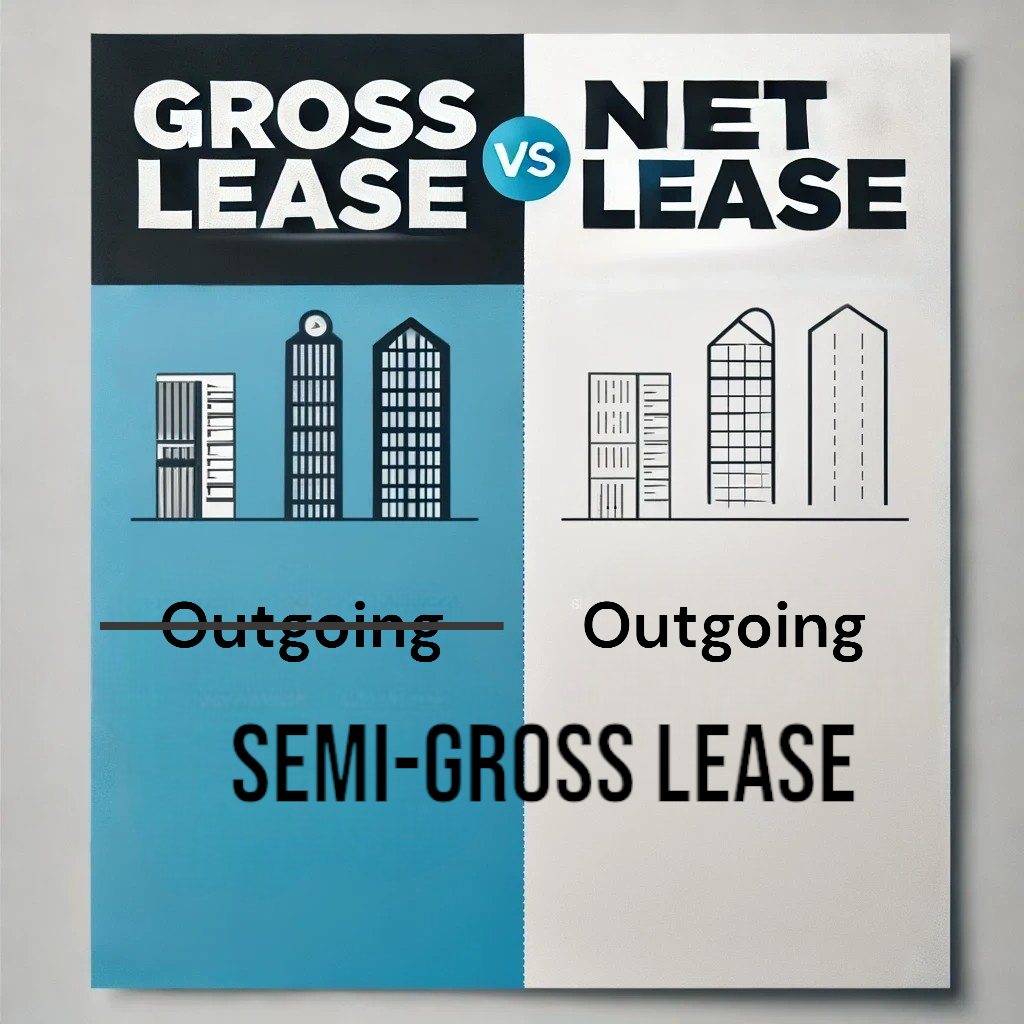
In a net lease, tenants pay base rent plus a separate charge for outgoings. These costs are usually estimated in advance and reconciled annually.
Landlord advantages:
- Protects net income by isolating rent from rising operational costs
- Shields the landlord from cost increases in council rates, insurance, or maintenance
Tenant advantages:
- Full transparency into the property’s running costs
- Often includes input into how money is spent (e.g. maintenance standards)
2. Gross Lease
A gross lease is more straightforward for tenants. All operating costs are bundled into the rent. The tenant pays a single, fixed amount—and the landlord handles the rest.
Tenant benefits:
- Simpler budgeting with no surprise charges
- Landlord absorbs any increases in outgoings, keeping tenant costs predictable
Landlord considerations:
- More predictable rental income
- Must budget carefully, as rising costs reduce the landlord’s net return
3. Semi-Gross Lease
A semi-gross lease blends elements of both. Typically, tenants pay base rent plus increases in outgoings above a base year. This structure is more complex but offers a balanced approach.
Best suited for:
- Larger commercial buildings or portfolios
- Experienced landlords who can manage detailed budgets and financial models
Key benefits:
- Gives landlords more control over cost recovery
- Offers tenants some predictability, especially early in the lease
Comparing Gross, Net, and Semi-Gross Leases
| Feature | Gross Lease | Net Lease | Semi-Gross Lease |
|---|---|---|---|
| Outgoings | Included in rent | Paid separately by tenant | Shared responsibility |
| Cost Predictability | High for tenant | High for landlord | Balanced |
| Transparency | Lower | High | Moderate |
| Admin Effort | Simplified for tenant | Simplified for landlord | More complex |
Choosing the Right Lease Structure
There’s no one-size-fits-all answer. The best lease structure depends on the asset, the market, and what both landlord and tenant are looking to achieve.
- Net leases: Ideal for maintaining control over income and costs.
- Gross leases: Best for tenants who want simplicity and cost certainty.
- Semi-gross leases: Offer flexibility and balance for larger, more complex properties.
A better understanding of how these leases work can lead to better outcomes for everyone involved. Misunderstandings around outgoings are a common source of disputes—but they don’t have to be.
Need Advice on Lease Structures or Outgoings?
Whether you’re a landlord or a tenant, having the right lease agreement in place is critical to the success of any commercial property.
If you have questions about lease types, outgoings, or how to structure agreements that protect your interests, reach out today.
Contact Brad Sheppard
bsheppard@bne.mcgees.com.au
For a complete list of weekly commercial transactions in Queensland, visit McGees Wrap Up | McGees Property Brisbane
Disclaimer: The information provided in this blog is for general informational purposes only and does not constitute legal, financial, or professional advice. While we strive for accuracy, we make no guarantees regarding the completeness or timeliness of the content. Always seek independent advice before making any financial or real estate decisions. We are not liable for any loss or damages arising from your reliance on the information provided.
Liability Limited by a Scheme approved under Professional Standards Legislation